%2Ffit-in%2F250x250%2Fguide_websites%2F1113%2Fimages%2F20220330_181738.jpg&w=1920&q=100)
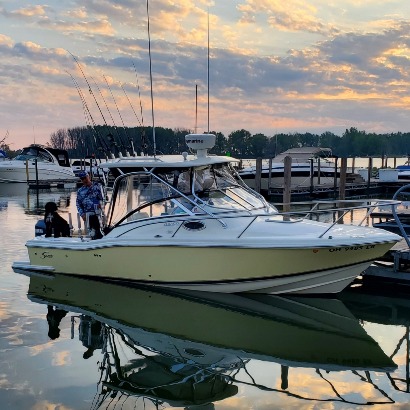
Fishing Charter at Lake Erie Marblehead OH
Lake Erie Fishing in Marblehead - What to Expect
%2F%2Fusers%2F0727bcdb-4e08-427e-8b98-86112d15fac9%2Fimages%2Flakeside-marblehead-fishing-techniques-weather-2857.png&w=1920&q=75)
Fishing Charter by Captain David Faller in December
- Book Our Lake Erie Fishing Trips Today!


Summary
Our fishing charter on Lake Erie near Marblehead on Friday, June proved productive with multiple techniques including jigging, trolling, and drift fishing. Captain David Faller of Black H2O Dog Charters guided us through varied water conditions, demonstrating why this Lake Erie fishery remains a destination for serious anglers seeking action and reliable catches.
Fishing Charter with Captain David Faller - Rates & Booking
Captain David Faller of Black H2O Dog Charters took us out on Lake Erie near Marblehead on Friday, June 27th for a full day of diverse fishing techniques. Working the waters around Lakeside Marblehead, we cycled through jigging, trolling, and drift fishing methods to target what Lake Erie offers this time of year. For booking details and current rates with Captain Faller's charter operation, contact Black H2O Dog Charters directly to reserve your spot and confirm what's included for your group size.
Highlights of Lake Erie Fishing
The variety of techniques we employed kept the day engaging and productive. Jigging in deeper channels proved effective during morning hours, while trolling along structural features and suspended baitfish schools yielded solid results. The drift fishing segments allowed us to cover expansive flats where feeding activity concentrated, demonstrating the importance of matching your approach to what the fish are doing throughout the day.
Lake Erie's accessibility from Marblehead makes this a practical destination for both experienced anglers and those new to the sport. The water conditions during our trip showed why this lake maintains strong populations and consistent opportunity across multiple species.
On the Water Experience
Lake Erie fishing demands adaptability, and Captain Faller's approach reflects the practical reality of chasing fish on larger water. The jigging technique works best when you understand bottom structure and how fish stack up in deeper zones. Trolling requires patience and attention to trolling speeds and lure selection - small adjustments make measurable differences in strike rates. Drift fishing, perhaps the most intuitive method, lets you cover water methodically and respond to what you encounter.
The Marblehead area provides good starting grounds with relatively quick access to productive water. Morning departures align well with peak feeding windows, and the lake's orientation creates manageable conditions most days. What makes this fishery work is the combination of adequate depth, structural diversity, and healthy forage base that sustains fish populations throughout the season.
During our day, the water remained reasonably clear, which helps visibility for detecting activity and understanding what's happening below. The shoreline development around Marblehead doesn't diminish the quality of fishing once you move offshore to the productive zones. Lake Erie's reputation as a working fishery - rather than a pristine wilderness destination - suits anglers who want solid action and don't require solitude.
The physical demands of a full day with multiple techniques shouldn't be underestimated. Jigging especially can be tiring, but it produces results worth the effort. Trolling lets you rest between strikes while covering territory. Drift fishing requires focus but is less physically demanding than other methods. Captain Faller's rotation through techniques balanced intensity with sustainability for a full day on the water.
Plan Your Lake Erie Fishing Day
A typical Lake Erie charter from Marblehead involves early morning departure to hit prime fishing hours. Bring appropriate clothing layers because conditions on the open water change quickly, and wind can develop even when the shore looks calm. Sunscreen and hydration are non-negotiable for a full day of exposure. Confirm what gear Captain Faller provides and whether you need to bring your own specialized equipment or if tackle is available on the charter.
Group size flexibility is worth discussing directly with Black H2O Dog Charters, as this affects boat dynamics and personal attention you receive. Larger groups spread the boat's capacity more efficiently but reduce individual fishing space. Smaller groups get more one-on-one guidance and flexibility in technique selection and timing adjustments.